Living Museum of Learning
The First English Word Was "Water"
Twenty-seven years ago, seven-year-old An was preparing for her first journey abroad.
The family lived modestly. There was a shared washroom. She washed dishes herself, wrung out cleaning cloths with small hands, and helped with everyday chores.
At the same time, her parents were preparing for immigration and wondering how to help their daughter face an unfamiliar world.
English seemed important, but resources were limited.
There were no private tutors, no online videos, and no language apps.
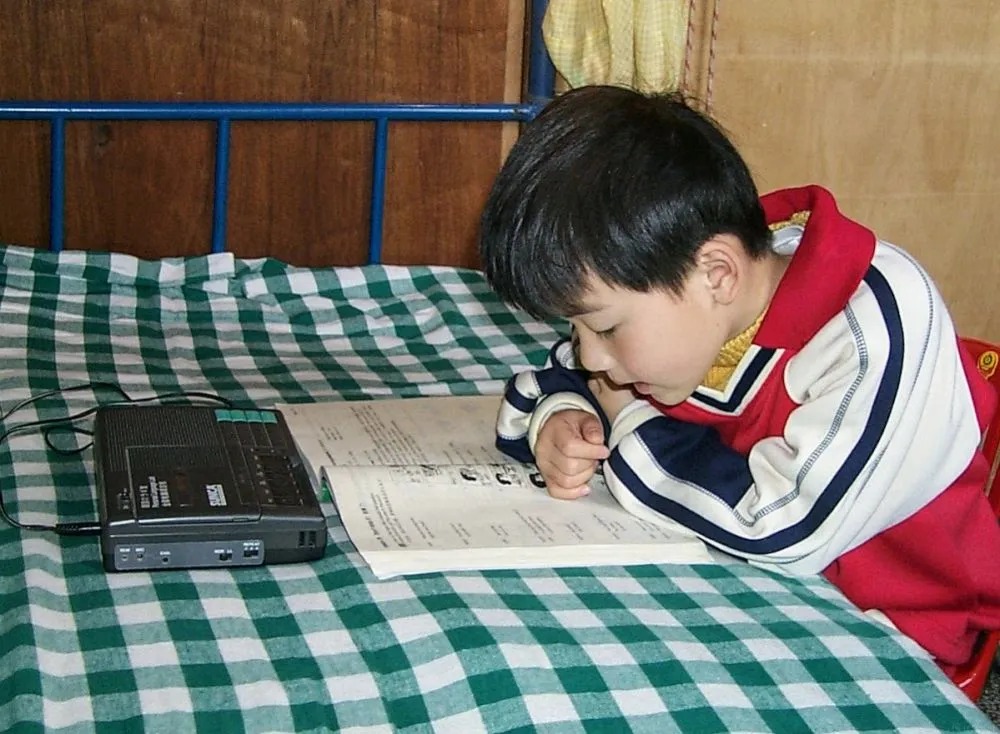
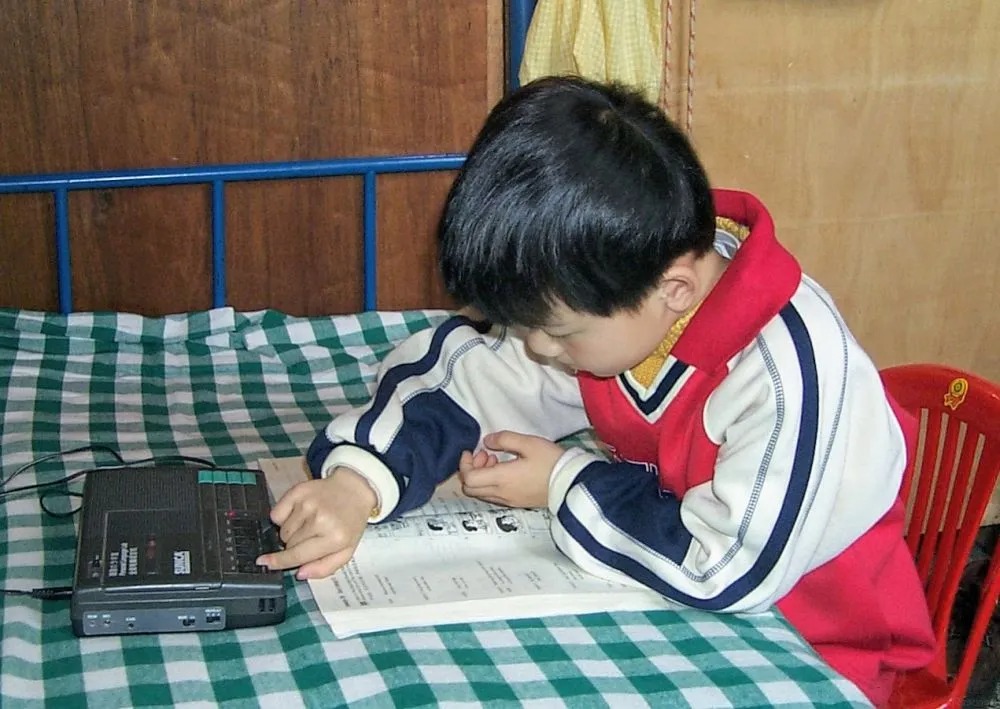
There was only a copy of New Concept English and an old cassette recorder.
The guidance was simple:
"Try listening by yourself. It's okay if you don't understand. Listen a few more times."
An began replaying the tapes.
She imitated pronunciation, repeated sentences, and gradually discovered that she could learn independently.
Her parents offered only occasional encouragement:
"You learn very quickly."
The praise was small, but the effect was large.
A positive cycle quietly began.
The first real test came on the airplane.
It was her first flight, her first trip abroad, and her first opportunity to use English outside the home.
When the flight attendant pushed the beverage cart down the aisle, she gathered her courage and spoke the word she had practiced many times:
"Water."
The attendant smiled and handed her a cup.
She smiled back.
At that moment, language became real.
The child realized:
I can do this myself.
Children do not need perfect conditions to begin learning.
What they often need is:
an achievable first step,
enough trust to explore independently,
and an early experience of success.
Small victories create confidence.
Confidence creates initiative.
Initiative creates further learning.
The positive cycle becomes self-sustaining.
A child from very modest circumstances can develop confidence, independence, and lifelong learning habits through small, repeated successes.
Parents provide gentle guidance, manageable challenges, and enough trust for the child to experience genuine ownership of learning.
The most important educational outcome may not be a skill itself, but the child's belief:
"I can learn this by myself."
That belief can influence an entire lifetime.